

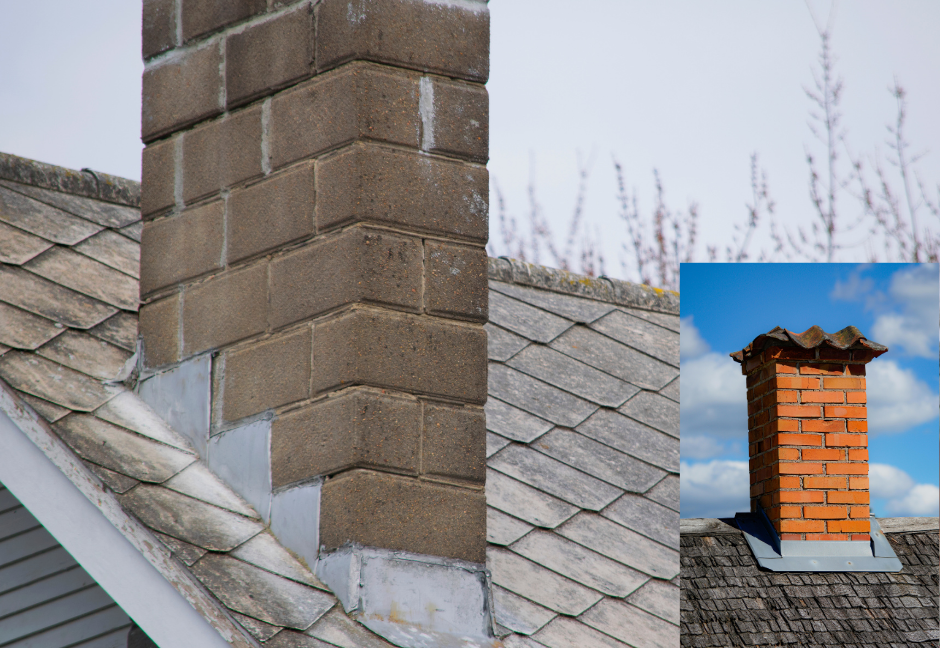
A roof leak around a chimney is a common problem in UK homes, particularly after periods of heavy rain and strong winds. You may notice a damp patch on the ceiling, water marks near the chimney breast or moisture appearing in the loft.
The chimney itself isn’t always the problem. In many cases, the leak is caused by damaged flashing, deteriorated mortar, cracked tiles or another issue where the chimney meets the roof.
At D&W Roofing Services, we provide professional chimney repairs, leadwork and roof leak repairs across Suffolk, Norfolk and Essex. Identifying the source of the problem early can help prevent water damage and more expensive repairs later.
Why Do Roofs Leak Around Chimneys?
A chimney creates several joints and vulnerable areas in a roofing system. These areas need to remain properly sealed while still allowing rainwater to drain away from the roof.
Over time, weather exposure and natural deterioration can create weaknesses.
Some of the most common causes include:
- Damaged or loose lead flashing
- Cracked mortar
- Broken or slipped roof tiles
- Deteriorated chimney pointing
- Problems with chimney pots or caps
- Blocked roof valleys
- Storm damage
- Ageing roofing materials
Finding the actual source of the leak is essential before any repair work begins.
What Is Chimney Flashing?
Flashing is the waterproof material installed around the base of a chimney where it meets the roof.
In many UK properties, lead is traditionally used because it is durable, flexible and capable of providing long-lasting protection when correctly installed.
The flashing helps direct rainwater away from vulnerable joints.
However, flashing can deteriorate, become loose or suffer damage over time.
When this happens, water can penetrate underneath the roofing materials and enter the property.
Signs of Damaged Chimney Flashing
Problems aren’t always obvious from outside the property.
Some common warning signs include:
Damp Around the Chimney Breast
Water stains or damp patches near the chimney are one of the clearest indications that something requires investigation.
Water in the Loft
Moisture around the chimney structure inside your loft may indicate failed flashing or another roofing defect.
Visible Gaps Around the Chimney
If flashing appears loose, lifted or separated from the brickwork, it may no longer provide adequate protection.
Cracked or Missing Mortar
Mortar around the chimney can deteriorate due to years of exposure to rain, frost and changing temperatures.
Leaks During Heavy Rain
If the problem only appears during prolonged or wind-driven rain, water may be entering through a small defect around the chimney or flashing.
Can Strong Winds Damage Chimney Flashing?
Yes.
Strong winds can expose existing weaknesses in a roofing system. Flashing that has already become loose may lift further, while surrounding tiles can become displaced.
Wind-driven rain can then enter areas that would normally remain dry during lighter rainfall.
This is why arranging a roof inspection after severe weather can be worthwhile, particularly if your roof or chimney is older.
Could the Chimney Itself Be Causing the Leak?
Sometimes the flashing isn’t the problem.
Chimney stacks are constantly exposed to British weather and can deteriorate over time.
Potential problems include:
- Damaged pointing
- Cracked bricks
- Deteriorated chimney crowns
- Loose chimney pots
- Damaged leadwork
- Water penetration through masonry
A professional inspection should therefore consider both the chimney and surrounding roofing materials.
Why Finding the Exact Source of a Roof Leak Matters
Water doesn’t always appear directly underneath the place where it enters the roof.
It can travel along roofing materials, membranes or timbers before becoming visible inside your home.
This means that simply sealing the area above a damp patch may not solve the actual problem.
A professional roof inspection allows the surrounding area to be assessed properly.
Depending on the cause, the solution may involve:
- Repairing or replacing lead flashing
- Repointing chimney brickwork
- Replacing broken roof tiles
- Repairing mortar
- Fixing damaged leadwork
- Repairing surrounding roofing materials
The aim should always be to address the underlying cause rather than provide a temporary patch.
What Happens If You Ignore a Chimney Leak?
A small leak may not seem urgent, particularly if it only appears during particularly heavy rainfall.
However, repeated water penetration can gradually damage the building.
Potential consequences include:
- Damp walls and ceilings
- Damaged plaster
- Wet insulation
- Timber deterioration
- Mould growth
- Interior decoration damage
- More extensive roofing repairs
Early intervention is usually simpler and more cost-effective.
Can Chimney Flashing Be Repaired?
In many cases, yes.
If the flashing is generally in good condition but has become loose or damaged in a small area, a targeted repair may be possible.
Where leadwork has significantly deteriorated, replacement may provide a better long-term solution.
The correct approach depends on the condition of the existing materials, the chimney and the surrounding roof.
How Long Does Lead Flashing Last?
Properly installed leadwork can last for many decades.
Its lifespan depends on factors including:
- Quality of installation
- Exposure to weather
- Movement within the building
- Previous repairs
- Condition of surrounding materials
Regular roof inspections can identify early signs of deterioration before a leak develops.
Chimney Repairs and Leadwork Across Suffolk, Norfolk and Essex
At D&W Roofing Services, we provide professional roofing solutions for residential and commercial properties throughout Suffolk, Norfolk and Essex.
Our services include:
- Chimney Repairs
- Leadwork
- Roof Leak Repairs
- Roof Repairs
- Storm Damage Roof Repairs
- Roof Inspections
- Tile and Slate Repairs
- Flat Roofing
- New Roof Installations
- Gutter Repairs
- Fascias & Soffits
Whether you’ve noticed damp around your chimney or simply want your roof checked following bad weather, our experienced team can assess the problem and recommend an appropriate solution.
Frequently Asked Questions
Why does my chimney leak only when it rains heavily?
Heavy or wind-driven rain can expose small defects in flashing, mortar or surrounding roof tiles that may not cause problems during lighter rainfall.
Does leaking around a chimney mean I need a new roof?
Not necessarily. Many chimney-related leaks can be repaired without replacing the entire roof. A professional inspection is needed to establish the extent of the problem.
Can damaged flashing cause damp inside my home?
Yes. Failed flashing can allow rainwater underneath the roofing system, potentially causing damp patches around the chimney breast, ceiling or loft.
Should my chimney be checked after a storm?
If you notice new damp, missing tiles, damaged materials or other changes following strong winds, arranging an inspection is advisable.
Is Your Roof Leaking Around the Chimney?
Don’t wait for a small damp patch to develop into a larger roofing problem.
If you suspect damaged flashing, deteriorated leadwork or another problem around your chimney, contact D&W Roofing Services for professional advice.
We provide reliable chimney repairs, leadwork and roof leak repairs across Suffolk, Norfolk and Essex.
Contact our team today to arrange an inspection and request a free, no-obligation quotation.